The English Curriculum at Queen Elizabeth’s School
 Queen Elizabeth’s School (QES) is a junior school with its own traditions, identity and values, aiming to provide its students with a solid base for acquiring the skills and aptitudes needed academically and socially in adult life. Special relevance is given to the process of learning English as a Second Language and the development of a bilingual and inter-cultural education, in an increasingly globalised society.
The educational philosophy of QES is based on Catholic values and principles, as a fundamental moral influence both in the development of character and of citizenship through the understanding of self-behavioral values in society and respect for the child as an individual. Queen Elizabeth’s School is a Portuguese school for children whose parents and tutors are interested in an English Curriculum taught alongside the Portuguese National Curriculum.
QES was set up on 3rd November 1935 and is owned by a charity trust called Fundação Denise Lester, created by the founder of the school, a British lady whose name was Margaret Denise Eillen Lester.
Miss Denise Lester was a great defender of the Anglo-Portuguese alliance and built this school bearing in mind the strengthening of the ties between Portugal and England, by providing Portuguese children with a good knowledge of the English language and culture.
The founder of QES passed away on the 18th June 1982 and since then the Fundação Denise Lester has run the school respecting the core ideals set by her in accordance with ongoing educational policies and challenges.
Given that our school has been approved as a Cambridge School, it is a priority to introduce the Cambridge Primary International Education Programme (www.cie.org.uk), which relates to the Educational Policies of the school to promote the International focus in the school´s curriculum, giving added value to pupils in a society that is increasingly expected to function at a high level academically and be flexible in having a range of career options within a global context.
Educational Values
The corner stone of the educational philosophy of the school is based on the development of character, consciousness of humanity and citizenship.
We aim at educating active citizens of the world with a sense of social responsibility by raising their awareness to current social issues; promoting the defense of children’s rights; and focusing on the importance of human values to enable a collective consciousness for a better future.
Good Practices
• Classroom pedagogy is based on clear and objective evidence that works towards student achievement.
• Creativity, critical thinking and commitment to learning is also encouraged so that the students are led gradually to recognize for themselves that a sustained application to their studies brings its own reward.
• The school aims at building close relationships among teachers, students and their families.
• The school has built up a standing staff of qualified English teachers over the years, many of whom are English native speakers.
• We offer in-service training and support in further developing our teachers by promoting networking and partnerships and fostering collaborative work in the area of Education at both a national and international level.
• Evidence of the school’s achievements are recorded and reported through our website.
Pre-primary
The Pre-primary English Curriculum is an early partial immersion and topic-based one to assure that an exciting and stimulating learning environment is delivered. The children’s progress is assessed regularly and general objectives and specific tasks are set to ensure children become familiar with the school routines and that they reach their full potential in school activities. There is a strong emphasis on oral practice and production, which is developed through the learning tools of drama, role-play, songs and storytelling. There is also a concern to further develop the children’s gross and fine motor skills through arts and crafts. At the end of the pre-primary cycle children can understand and respond to basic instructions, engage in basic daily routines in English, understand familiar fairy tales and stories in English, sing familiar English children’s songs and nursery rhymes, talk about themselves, their school and household, and identify aspects of the English culture.
Primary
The Primary English School Curriculum is a natural progression from the Pre-primary and we are currently taking steps towards a Content Language Integrated Learning approach by exploiting cross-curricular topics with a task-based and learner-centred approach in the English classes. The children have 90 minutes a day of English from 15.30 to 17.00 and from the 2nd year onwards they have one weekly hour of ICT through English as a medium of instruction. QES children can attend our English Clubs twice a week in year three and three times a week in year four, which take place after-school and run from 17.10-18.00. The purpose of these clubs is to further expand our student’s knowledge of the English language through a subject-based medium; such as Science and Citizenship, providing our students with the opportunity to study content using authentic materials adapted to their linguistic competences to enable them to assess subject-specific knowledge in the target language. Furthermore, it develops communication skills through extended quality exposure to English. One of the outcomes is to produce a Portfolio, comprising three different writing tasks – correspondence, factual, creative and descriptive writing – with the support of the English and ICT teachers. Most of our English teachers are native speakers, which ensures more of an English environment in class.
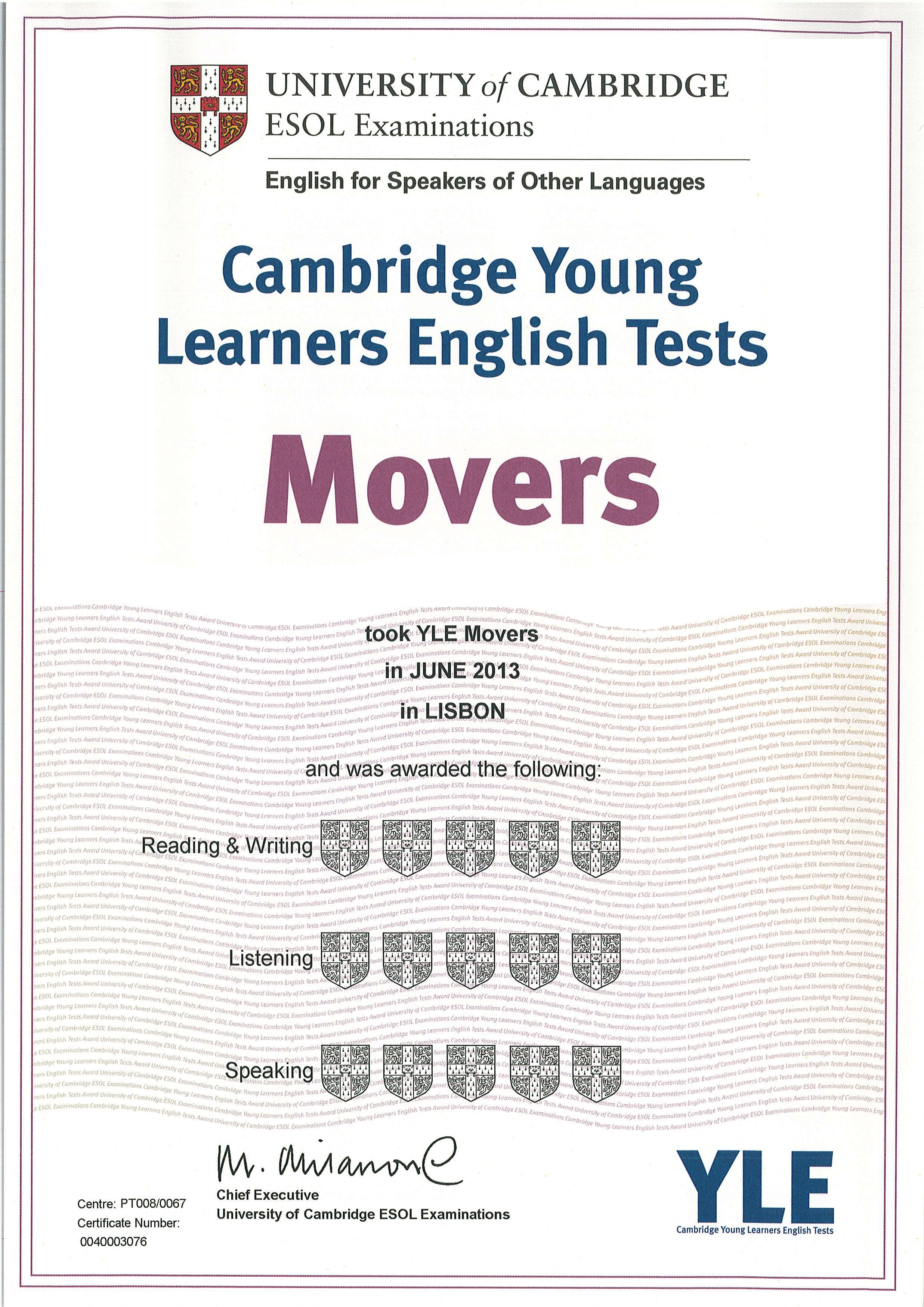
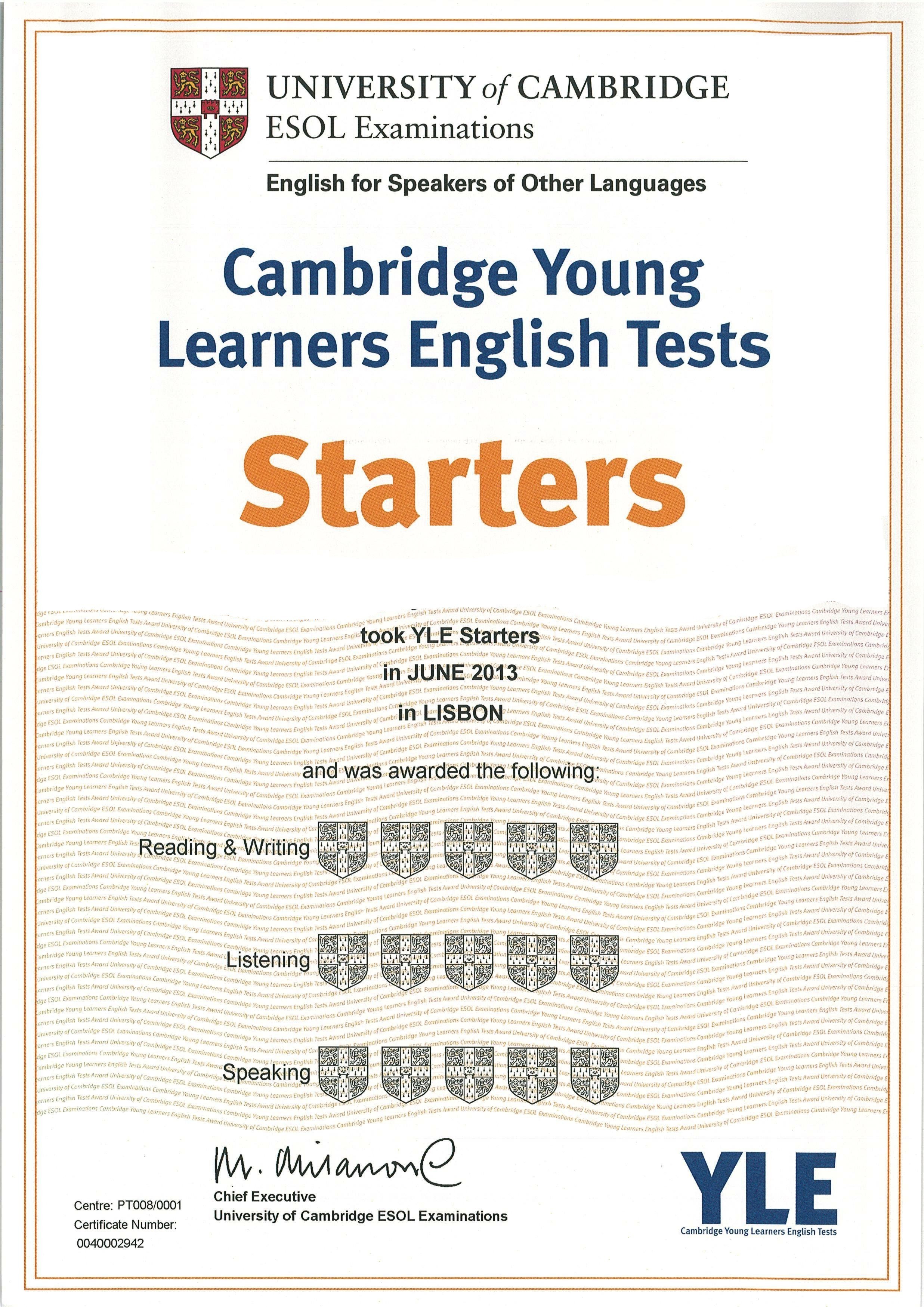
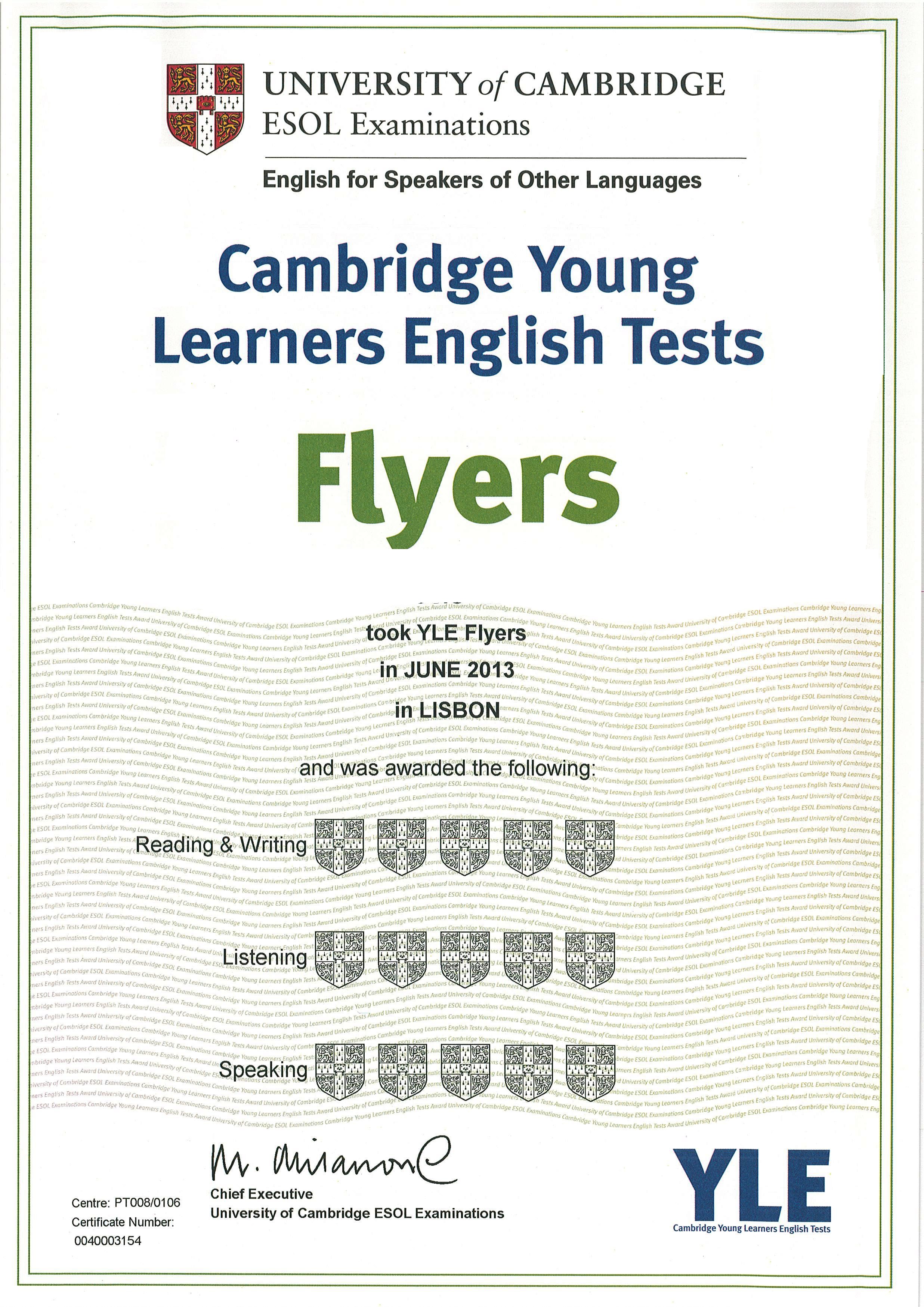
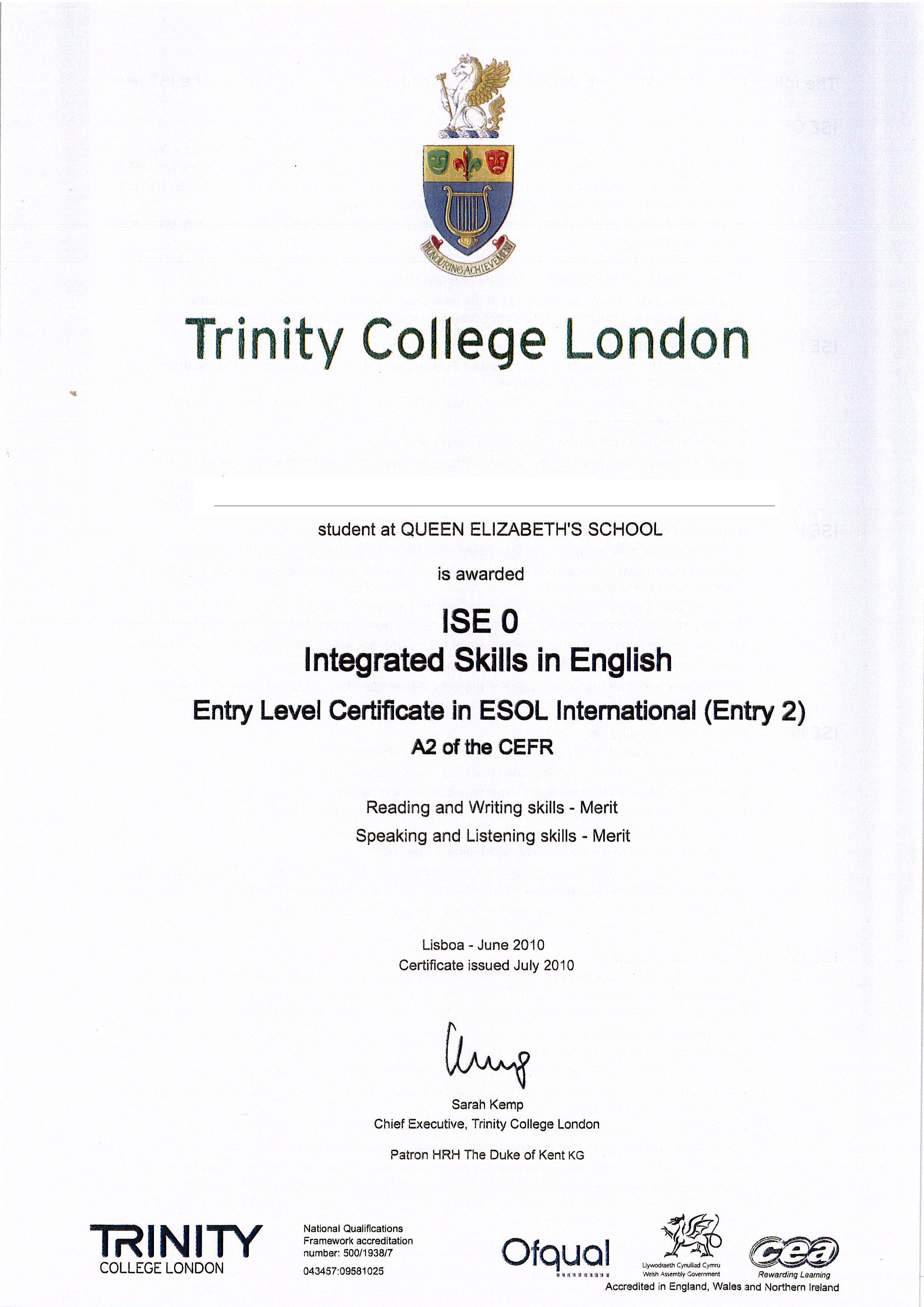
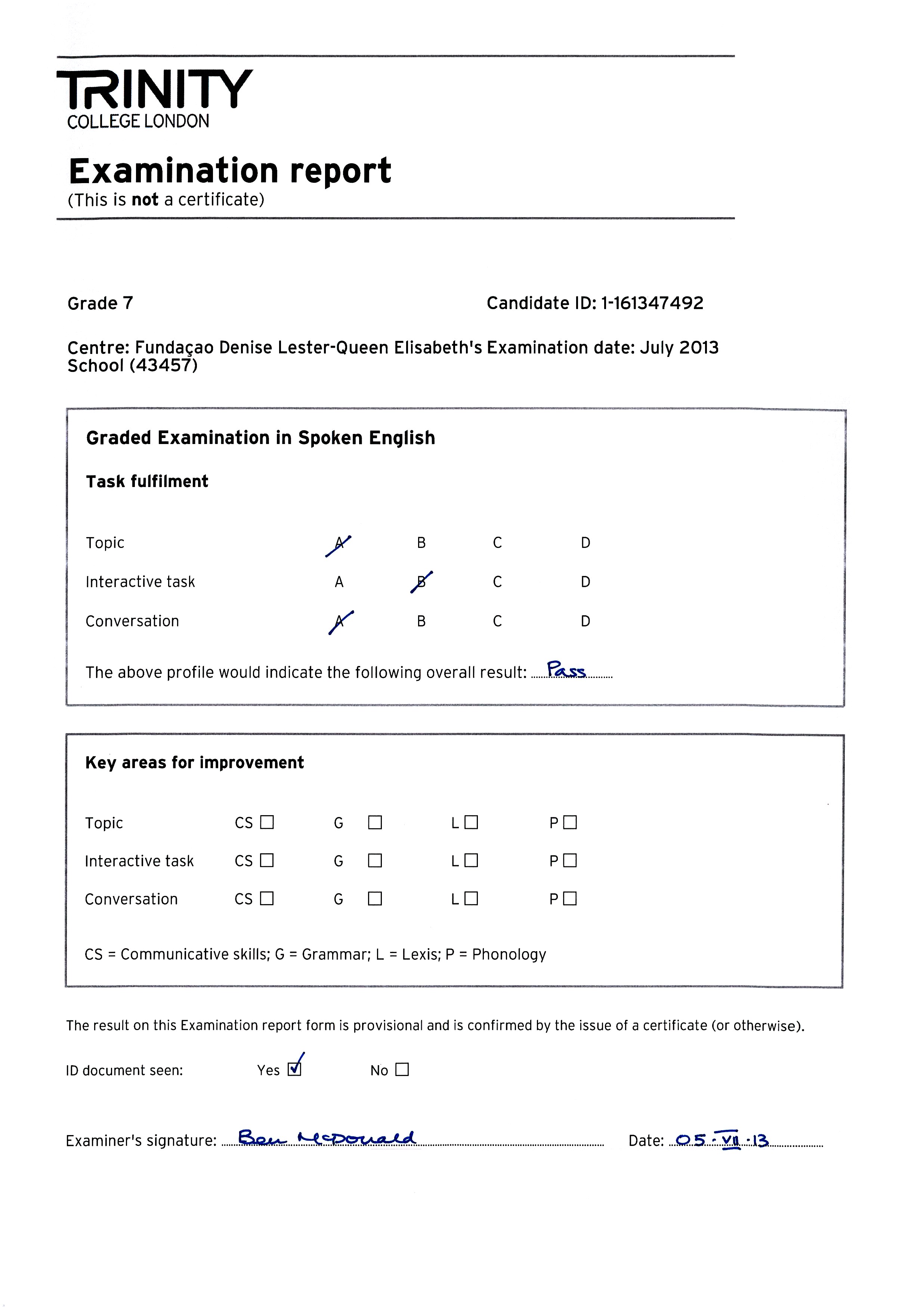
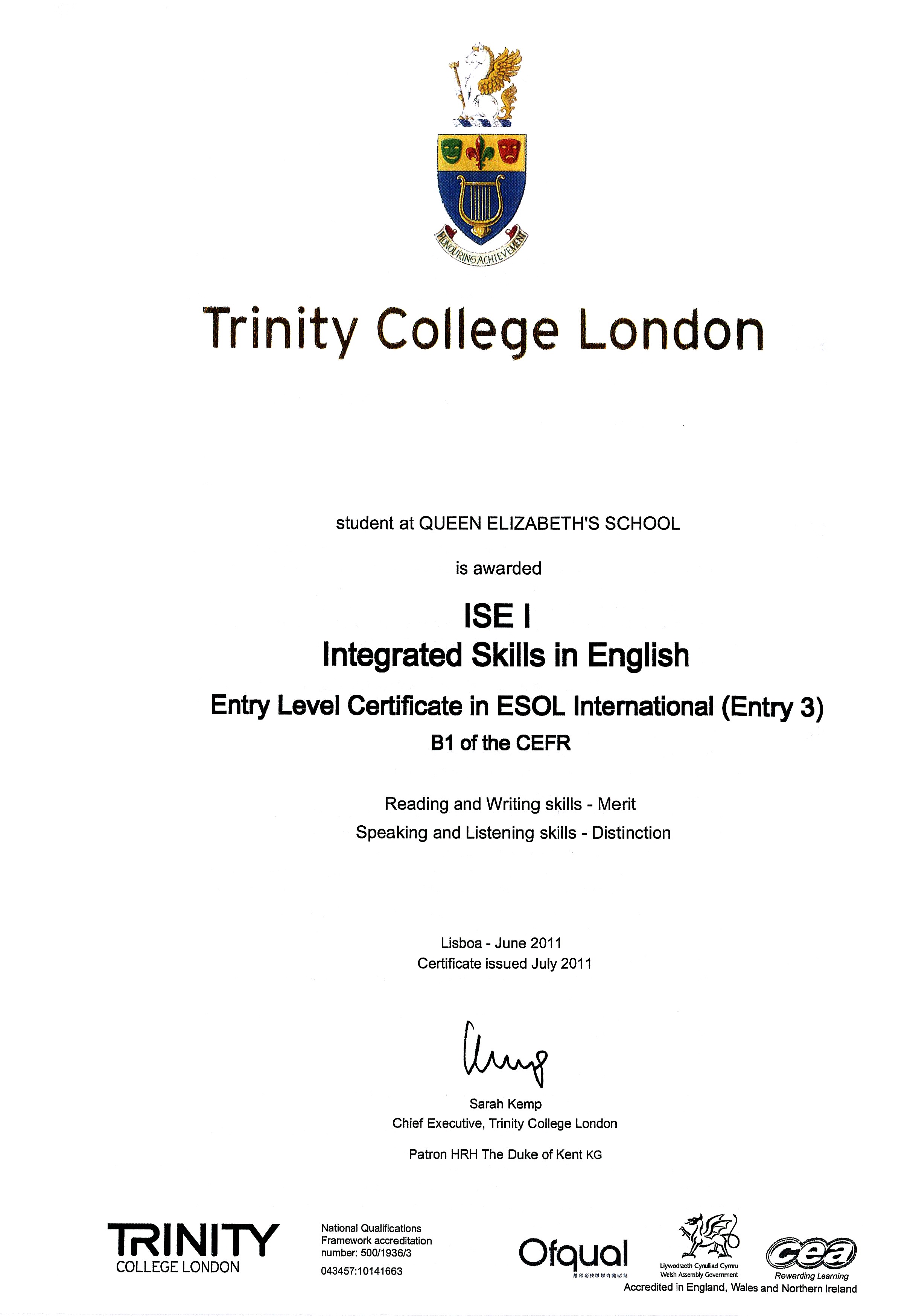
At the end of years 2, 3, 4 the children can also take the Cambridge Exams for Young Learners (Starters, Movers and Flyers). They are also prepared for the Trinity College of London Language Exams in Integrated Skills in English (ISE), which target to measure how well students are doing in the skills of listening, speaking, reading and writing. We find that Cambridge University and Trinity College London certificates have become a great incentive for our students to learn English. They want to do well in the examinations and they enjoy and are proud of the certificates they receive.
European Dimension of Education
Comenius Multilateral School Partnerships
The school has sought to develop a sense of belonging to a broader and outward- looking Europe. With this in mind the school applied for a European grant which required us to develop a project for the COMENIUS Sectorial Programme: School Multilateral Partnership. The Comenius Programme funds actions that are relevant to school education from pre-school to secondary levels of education, so that organizations from different European countries, involved in the school education sector, can work together in school partnerships. To develop the FLY Comenius project we formed a partnership with three foreign schools, namely: Shiremoor Primary School – Newcastle Upon Tyne, UK, Colégio Publico Atalia – Gijon, Spain and Kurtulus Primary School – Kuthaya, Turkie, with our school as coordinator.
Current results demonstrate that Comenius school partnerships help foreign language learning, promote intercultural awareness and ICT task-based competences. Comenius aims to enhance the quality and European dimension of education, promote teacher training, improve pedagogical approaches and disseminate good practices and innovation in school education management.
The FLY Comenius school project aimed to engage and motivate our children in their learning and learning-to-learn skills, raising their curiosity, imagination, sense of experimentation, critical and creative writing. The Fly project explored the benefits of using ICT and digital media in the classroom to promote European school cooperation and collaborative learning.
Aims of the FLY project:
• Adopt a holistic approach to the schools curricula reinforcing learning within and across subjects, multidisciplinary and transversal competences, a new crosscurricular didactics involving the Arts, Science, ICT and other subjects in a creative manner.
• Promote intercultural dialogue and new pedagogical methodologies (Early Language Learning, Content and Language Integrated Learning).
• Improve the potential of ICT to enhance teachers learning.
• Explore the interaction between education, the community and professional development, alongside promoting an active European citizenship as well as social responsibility.
• Develop a common identity and a sense of belonging to the European Union.
Visit FLY Multilateral Partnership website at www.flyproject.org
Curriculum Enrichment
The English Clubs
Our English clubs are free of charge and there are no specific language requirements: any child from year 3 and 4 can join them regardless of how good their English is.
The main aims of these clubs are to provide our students with the opportunity to study content through English using authentic materials adapted to their linguistic competences to develop their thinking and learning skills that enables them to assess subject-specific knowledge in the target language. Furthermore, it develops communication skills through extended quality exposure to English.
This approach is known as CLIL (Content Language Integrated Learning).
This approach is based on the four Cs conceptual framework: content, cognition, communication and culture. (Adapted from Do Coyle, Philip Hood and David Marsh; CUP 2010:17)
ISE O (4th grade students)
A2 Level according to CEF:
• Can understand sentences and frequently used expressions related to areas
of most immediate relevance (e.g. very basic personal and family information,
shopping, local geography, employment).
• Can communicate in simple and routine tasks requiring a simple and direct
exchange of information on familiar and routine matters.
• Can describe in simple terms aspects of his/her background, immediate
environment and matters in areas of immediate need.
ISE I (5th and 6th grade students)
B1 Level according to CEF:
-Can understand the main points of clear standard input on familiar matters
regularly encountered in work, school, leisure, etc.
• Can deal with most situations likely to arise while travelling in an area where the language is spoken.
• Can produce simple connected text on topics which are familiar or of personal interest.
• Can describe experiences and events, dreams, hopes and ambitions and briefly give reasons and explanations for opinions and plans.
ISE II (7th grade students)
B2 Level according to CEF:
-Can understand the main ideas of complex text on both concrete and abstract topics, including technical discussions in his/her field of specialization.
• Can interact with a degree of fluency and spontaneity that makes regular interaction with native speakers quite possible without strain for either party.
• Can produce clear, detailed text on a wide range of subjects and explain a
viewpoint on a topical issue giving the advantages and disadvantages of various
options.
GESE 7 (6th grade students)
B2 (level 1) according to CEF
GESE 8 (7th grade students)
B2 (level 2) according to CEF
Learner profiles ISE II (CEFR B2) in ISE leaflet for Universities and Colleges.
◗◗ understand the main ideas of complex spoken and written English on both concrete and abstract topics
◗◗ use active and passive vocabularies sufficient to cover a wide range of subjects, including technical topics within his or her field of specialisation
◗◗ interact with a degree of fluency and spontaneity that makes regular interaction with native speakers of English quite possible without strain for either party — language production is spontaneous and natural
◗◗ explain his or her viewpoint on a topical issue, giving the advantages and disadvantages of various options
◗◗ read, respond to and write clear, detailed texts on a wide range of subjects
Common European Framework of Reference (CEFR) Chart 2013
INTERNATIONALISATION – A STEP FORWARD
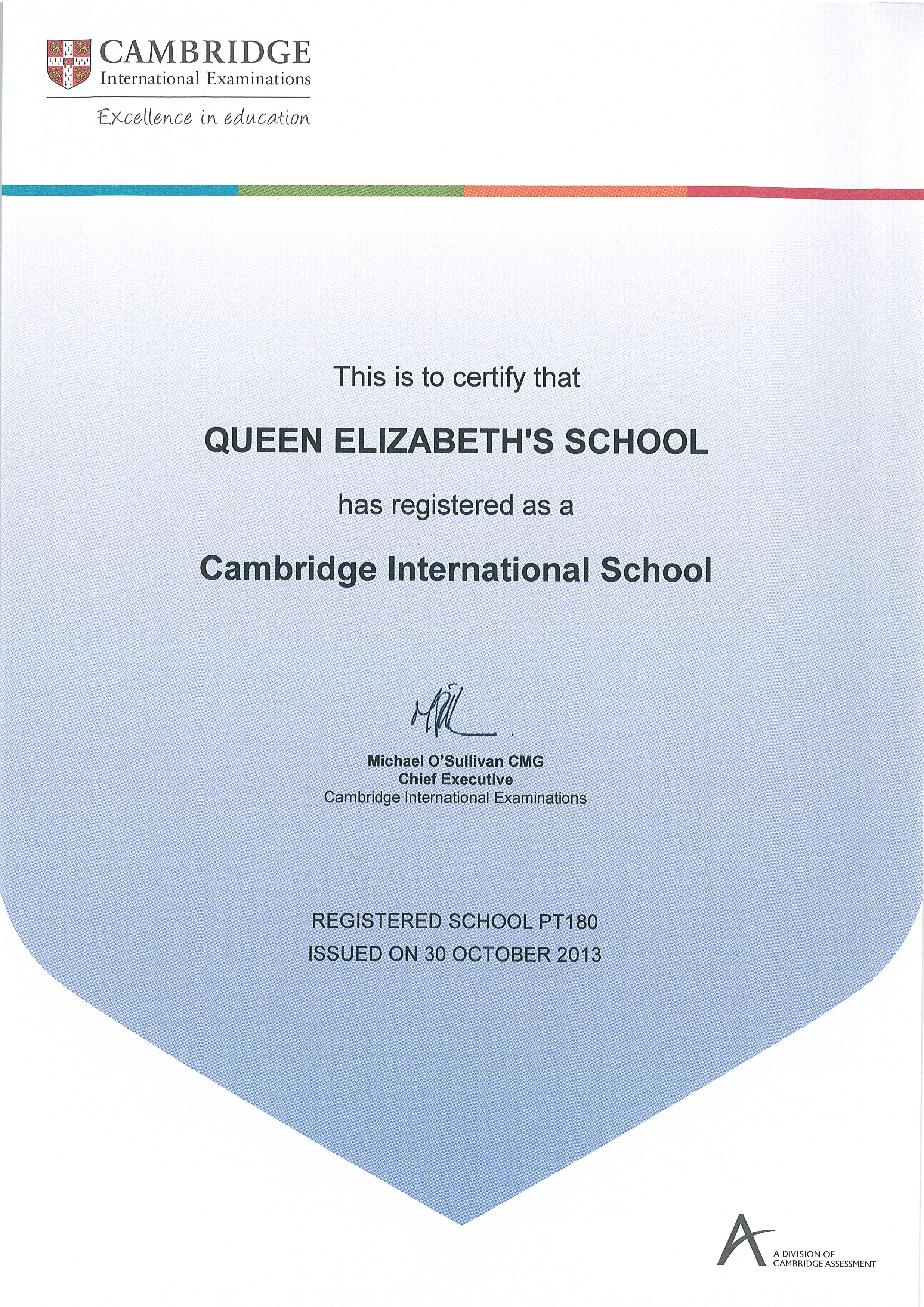
QES will be implementing the Cambridge Primary Bilingual Programme alongside the National Curriculum. The school will follow an integrated curriculum for subjects taught in English, namely: English as a Second Language, Science, ICT and Maths.
Overall Learning Objectives
The Cambridge Primary curriculum focuses on clear learning objectives which seeks to equip learners with the skills and knowledge that prepares them for their lifelong learning experience by:
· Deepening learning and engage our children with a focus on an European and International dimension – promoting global citizenship.
· Developing an International Network of students so as to enhance our children’s sense of global citizenship.
· Increasing their awareness of the value of transferable skills and knowledge to better prepare students for life.
· Exploring new technologies.
· Developing interpersonal skills by raising learners’ awareness of other’s attitudes and values.
· Developing their analytical and critical thinking through a global perspective.
· Ensuring that more students achieve their full potentials to better prepare them for lifelong learning.
In order to achieve these objectives these four issues must be reinforced and met:
· our students may only address the teacher in English;
· teachers should only speak in English to their students;
· our students must always try to speak English, even when their discourse is not yet wholly correct;
· students must try hard to speak English to classmates.